
Ever wonder why some dishes leave you feeling deeply satisfied, craving just one more bite? That’s the power of umami, often called the “fifth taste.” Alongside sweet, salty, sour, and bitter, umami is the rich, savory depth that defines many of the world’s most comforting and complex cuisines, especially Japanese and Chinese food.
At Lotus Restaurant in Farmingdale, umami is the backbone of our menu. Whether you’re savoring a soy-brushed piece of sushi or a warming bowl of miso soup, you’re tasting carefully balanced flavors that go beyond the surface. In this post, we’ll explore what umami is, why it matters, and how it shapes the dishes you love.
What Is Umami?
Umami (pronounced oo-MAH-mee) is a Japanese word that translates to “pleasant savory taste.” Scientifically, it’s the taste of glutamates, naturally occurring amino acids found in ingredients like mushrooms, soy sauce, miso, seaweed, aged cheeses, and fermented foods.
It was first identified by Japanese chemist Kikunae Ikeda in 1908, and it’s now globally recognized as the fifth basic taste.
- Sweet – like sugar or fruit
- Sour – like vinegar or citrus
- Salty – like soy sauce or sea salt
- Bitter – like dark greens or coffee
- Umami – like broth, mushrooms, miso, or aged soy
Unlike other tastes, umami is long-lasting and coats the tongue, creating that mouthwatering, deep, rich flavor you recognize in dishes like sushi, ramen, and stir-fry.
Key Umami Ingredients in Asian Cuisine
Umami doesn’t come from a single ingredient, it’s a combination of naturally rich elements that, when layered correctly, create unforgettable flavor.
Common Umami Boosters You’ll Find at Lotus:
- Soy Sauce: Adds saltiness and fermented depth. Used in sushi, dipping sauces, and marinades.
- Miso: A fermented soybean paste packed with umami. Try it in our miso soup or as a glaze.
- Ginger: Not only for heat, it enhances savory components and refreshes the palate.
- Dashi: A Japanese broth made from kombu (kelp) and bonito flakes (dried tuna). It forms the base of many soups and sauces.
- Mushrooms: Especially shiitake, used in broths, stir-fries, and vegetarian dishes for deep savory flavor.
These ingredients work together in subtle ways to make even the simplest dishes taste rich, balanced, and unforgettable.
Why Sushi Tastes So Good
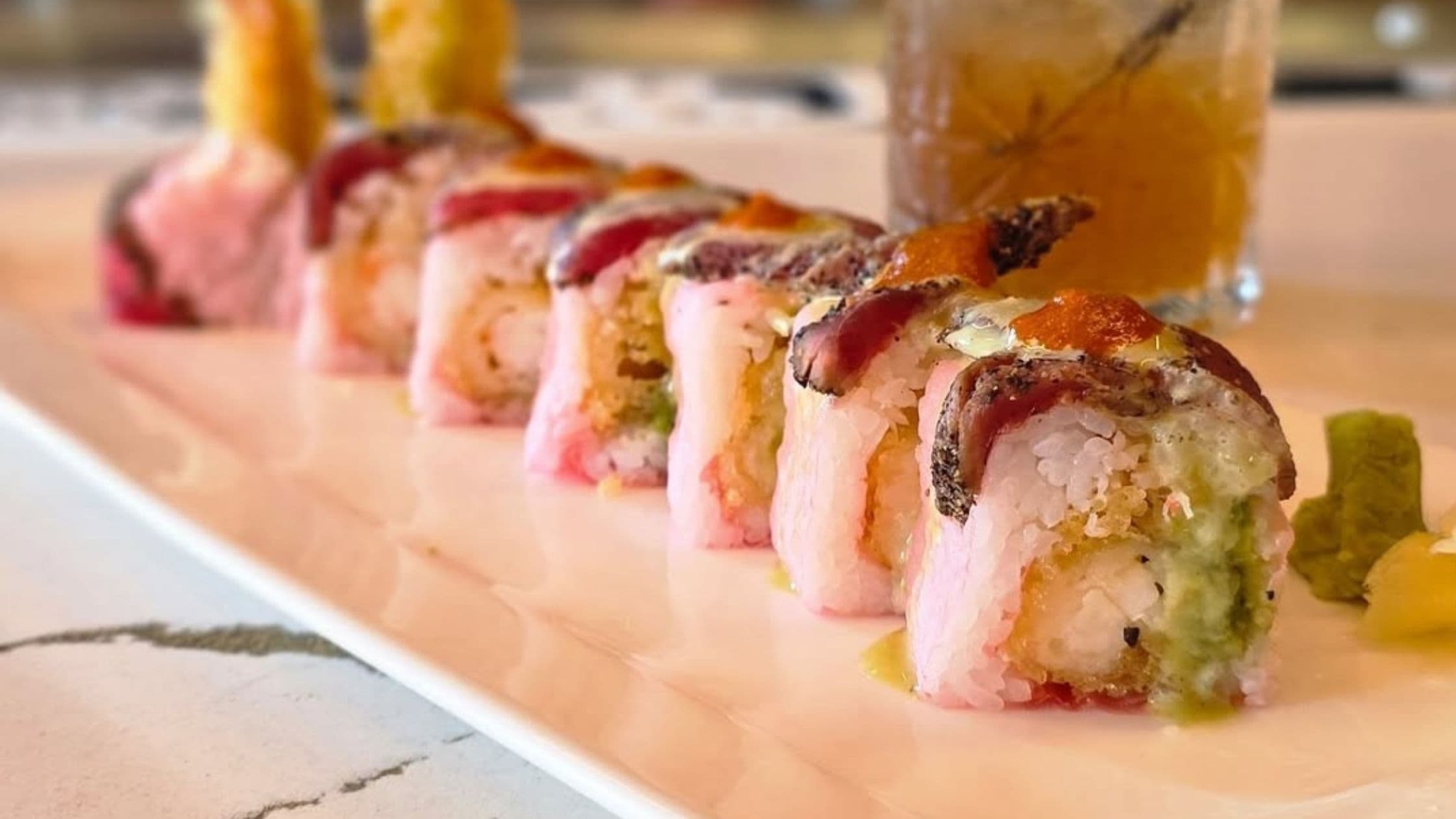
If you’ve ever wondered why sushi tastes so good, umami is the secret. From the fresh fish to the seasoned rice and dipping sauces, sushi is engineered for flavor harmony.
- Raw Fish: High in natural glutamates, especially tuna, salmon, and yellowtail.
- Soy Sauce: Adds salty umami and enhances the flavor of the fish.
- Wasabi and Pickled Ginger: Add sharp contrast, balancing the richness with heat and acidity.
The result is a dish that’s clean and simple on the outside, but deeply complex once it hits your taste buds.
Chinese Cuisine and the Umami Depth
While umami is often associated with Japanese cuisine, Chinese dishes are rich with it too. Lotus features classic Chinese staples like stir-fried beef with oyster sauce, wonton soup, and noodle bowls, all layered with ingredients that bring savory intensity.
- Oyster Sauce: Thick, savory, and sweet, used in many stir-fries and glazes.
- Fermented Black Beans: Add depth to sauces and marinades.
- Garlic and Scallions: Aromatics that, when sautéed or simmered, enhance umami flavor.
Each bite builds on the last, creating that addictive quality that makes you crave more.
How to Taste Umami Like a Pro
Want to get more from your dining experience? Here are a few ways to identify umami and appreciate it during your next visit:
- Slow down: Let the dish rest on your palate. Notice the lasting savory sensation.
- Layer your bites: Dip lightly, add a bit of ginger, mix components. Build your flavor.
- Pair with care: Cold sake or green tea complements umami-rich foods beautifully.
Discover Deep Flavor at Lotus Restaurant
Umami is what makes a good dish unforgettable. At Lotus, we embrace this fifth taste in everything from our sushi rolls to our house-made broths and dipping sauces. It’s the secret to why our dishes are deeply satisfying, beautifully balanced, and keep our guests coming back again and again.
Whether you’re craving fresh sashimi, hot noodle bowls, or savory dim sum, you’ll find the power of umami woven through every bite.
Join us in Farmingdale for a meal that satisfies on every level:
– Reserve online: Click here to book
– Phone: (516) 249-2940